If you live in Los Angeles County, you’ve likely seen the lights flicker during an autumn wind event or a summer heat wave when everyone’s AC kicks on at once. Our grid works hard here. Between utility switching, neighborhood construction, EV chargers pulling heavy loads, and the occasional lightning storm that sweeps over the mountains, your home’s electrical system takes more hits than most people realize. That’s where whole-home surge protection earns its keep.
I’ve spent years as an electrical contractor walking attics in Chatsworth, crawling under homes in Pasadena, and replacing fried smart thermostats in Santa Clarita. The pattern is consistent: homeowners rarely think about surge protection until something expensive goes dark. Once they’ve replaced a stove control board or a well pump drive for the second time, they’re ready to talk about a smarter plan.
This guide covers what surges really are, what they do to your equipment, and how whole-home solutions work in practice. I’ll draw on local conditions across Los Angeles County, and if you’re comparing options or planning a remodel, you’ll have enough detail to make a confident decision with your electrician.
What a surge actually is
A surge is a brief increase in voltage above the normal level on your home’s electrical system. Homes in the U.S. nominally run at 120/240 volts. During a surge, that can spike into the hundreds or even thousands of volts for microseconds to milliseconds. That sounds fleeting, but sensitive electronics respond in a blink, and it only takes one sharp spike to punch through a circuit.
Most people picture lightning when they hear “surge.” Lightning can indeed send massive energy through the grid, but in Los Angeles County the more common culprits are utility switching, car accidents that knock down lines, and load changes inside your house. Motors like HVAC compressors, fridges, and pool pumps create small internal surges when they start or stop. Those add up over time. I’ve seen LED drivers and TV power supplies fail from a steady diet of these micro surges long before any single dramatic event.
Power quality varies by neighborhood. Coastal areas often see corrosion-driven issues at terminations, mountain and canyon communities get wind-related outages, and dense city blocks see voltage swings when crews reconfigure feeders. None of that means you’re unlucky. It means the real world is dynamic, and your home should be prepared.
Why modern homes are more vulnerable
Two things have changed over the past twenty years. First, we’ve filled our homes with more electronics. Even appliances that look old-school run on circuit boards now. Ovens, washers, garage door openers, furnaces, and tankless water heaters all rely on control electronics. Second, those electronics use smaller, more efficient components that can’t stomach the abuse that old analog devices could shrug off.
I replaced a control board in a seven-year-old double-wall oven in Santa Clarita that failed after a string of wind-related outages. Total cost to the homeowner: a little over $900 for parts and labor. A refrigerator board on a high-end unit can run $300 to $600 just for the part. A well pump variable frequency drive in Agua Dulce can be north of $1,200. None of those numbers includes the headache of spoiled food or a weekend without hot water.
Whole-home surge protection isn’t a magic bubble, but it is a rational way to reduce risk across your entire system. The goal is not perfection, it’s to keep surges from reaching levels that kill electronics or progressively weaken them.
How whole-home surge protection works
A whole-home surge protective device, often called an SPD or surge arrester, sits at your main service equipment where power enters the house. Think of it as a fast pressure relief valve for voltage. When the line voltage jumps, the device clamps the excess and shunts it to ground before it flows into your branch circuits.
Most modern SPDs use metal oxide varistors (MOVs). These components have very low resistance at high voltage, so they react quickly and draw the surge away. MOVs sacrifice themselves over time, a little with every hit. That’s why quality units include status indicators, and many support replaceable modules.
Key specs matter more than brand stickers:
- Surge current rating, usually given in kiloamps (kA). This is a measure of how much energy the device can divert. For a typical Los Angeles County single-family home, I like to see at least 50 kA per phase. Larger homes with long runs to detached structures or heavy equipment do well with 80 to 120 kA. Modes of protection. Look for L-N, L-G, N-G, and L-L where applicable. You want comprehensive protection between all conductors and ground. Clamping voltage. Lower numbers generally mean tighter protection, but they must be balanced against durability and coordination with downstream devices. Response time. MOV-based devices are fast, typically nanoseconds, which is sufficient for residential use.
One device at the service is good, but not the whole story. Surge events can originate inside the house, so a layered approach works best. The practice is called coordination: a robust SPD at the service, optional secondary SPDs at subpanels that serve long runs or sensitive zones, and point-of-use protection for particularly delicate or valuable equipment like home theater rigs, rack servers, or the office workstation.
Service equipment basics in LA County
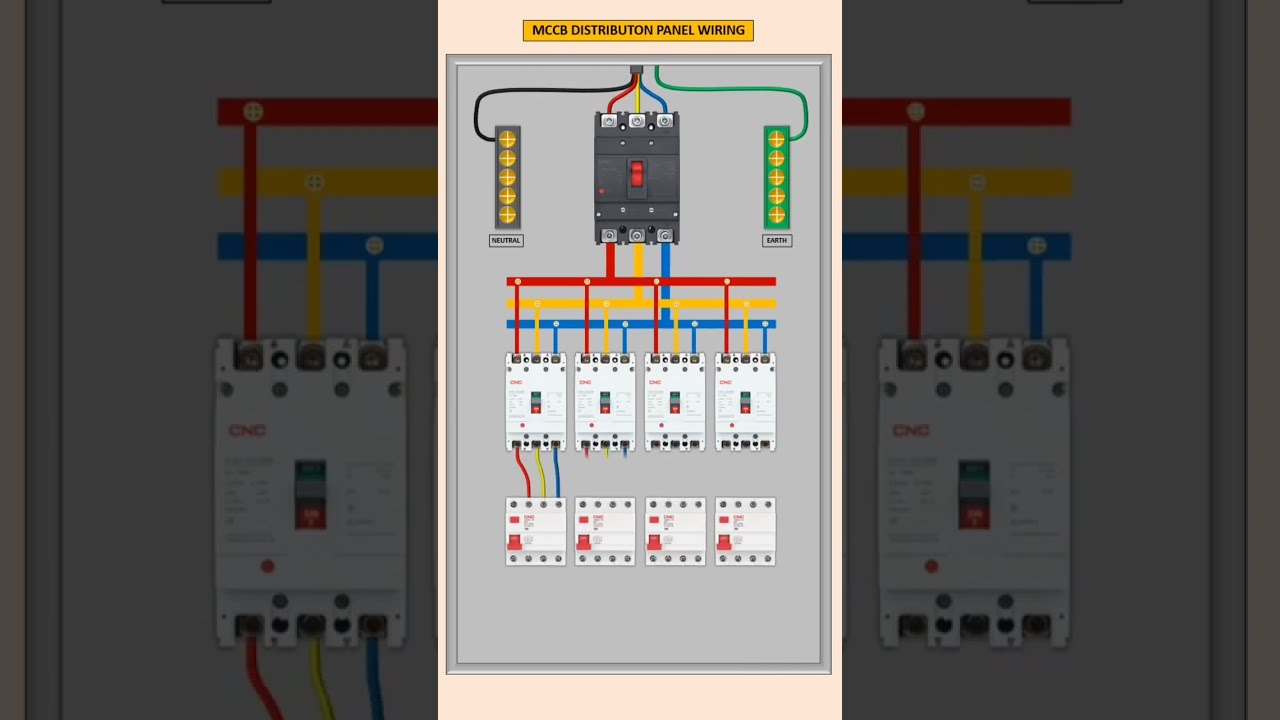
Homes across the county range from mid-century 100-amp panels to modern 400-amp services supporting EVs, heat pumps, and accessory dwelling units. Panel space is always a constraint. Many SPDs mount on a 2-pole breaker or directly to lugs with short leads. Short conductors matter because longer leads act like little inductors and reduce performance. When I install an SPD, I lay out the conductors for the shortest, straightest path to the bus and neutral/ground bond, with gentle bends rather than coils. It looks neater, and it works better.
Grounding and bonding are the quiet heroes here. An SPD can only divert energy as well as the grounding system allows. If your ground rod is corroded or the clamp is loose, if the bonding jumper is missing at a subpanel, or if someone bootlegged neutrals onto grounds in a remodel, your surge device will underperform. I’ve seen SPD lights glowing green while appliances keep failing. The fix wasn’t the device, it was a compromised ground electrode conductor. A professional inspection and testing with a clamp meter and visual verification go a long way before we even talk about equipment.
Some older Los Angeles houses share combined neutral and ground backup generator installation bars in subpanels, a common legacy issue. That configuration isn’t just a code violation, it complicates surge paths and can make electronics noisier. Correct separation of neutrals and grounds in subpanels helps your SPD do its job.
What about lightning around here?
We don’t get Florida’s summer lightning drama, but we’re not immune. The San Gabriel range and inland valleys see storm cells that carry enough energy to create damaging surges through utility lines or induced voltage on long branch circuits. I’ve replaced a garage door opener board in Monrovia after a storm that didn’t even trip a breaker, and a cable modem in Canyon Country that died along with a TV on the same day. Neither home took a direct strike. The grid carried the stress.
If you live on a hilltop or your property has tall freestanding structures, you face elevated lightning risk. In those cases, surge protection should be paired with a conversation about bonding all metallic systems, verifying the grounding electrode system is robust, and considering whole-structure lightning protection if justified by exposure. Most homes in the county don’t need lightning rods, but it’s not a one-size-fits-all call.
EV chargers, solar, and battery systems
Los Angeles County’s electrification push means more homes with Level 2 EV chargers and solar inverters. Both change the surge landscape. EV chargers act like big, sophisticated power supplies. Their electronics can be expensive to replace, and they can also introduce internal switching noise. I advise SPDs at the main service and, if the run to the garage subpanel is long, a secondary SPD at that subpanel.
Solar inverters are designed to meet stringent standards, and most include internal protection. Still, the interconnection point is another pathway for surges. A Type 1 SPD at the service equipment protects both utility-fed and backfed conditions. For battery systems, consult the manufacturer’s guidance. Some explicitly require or recommend external SPDs on the AC bus and sometimes on DC lines for larger arrays. DC-side protection is a different product class and should be coordinated with the solar contractor.
I’ve seen a homeowner in Valencia lose a gateway board in a storage system after a utility switching event on a triple-digit heat day. Insurance covered it, but only after a long claim and a fight over whether it was a “wear” item. Compared to that, the price of proper surge coordination looks small.
The economics: what protection really costs
Whole-home SPDs range roughly from $150 to $700 for residential-grade units, depending on rating and features. Installed costs in Los Angeles County generally fall between $400 and $1,200 for a straightforward main panel install, assuming the panel has space and the grounding system is sound. If we need panel upgrades, add-ons, or corrective grounding work, the range increases.
I’m a fan of setting expectations with real numbers. A typical Santa Clarita electrician might quote around $600 to $900 to supply and install a solid 50 to 80 kA SPD at your main, verify terminations, and tidy the panel. If we’re adding a second SPD at a subpanel for a long run to a studio or detached office, tack on $350 to $700 depending on distance and complexity. These prices aren’t universal, but they reflect what I see across the county.
Against that, consider the cost of a single failure: a $400 TV power board plus labor, a $500 control for a high-efficiency furnace, or a $900 double oven board. Add downtime and hassle. Surge protection won’t prevent every failure, but it dramatically lowers the odds and slows the death-by-a-thousand-cuts degradation that shortens electronic lifespans.
What about plug-in strips?
Good plug-in surge strips have their place, and I use them under desks and behind AV racks, but they are the last line of defense, not the first. Many are under-rated, and most have an indicator light that people never check. They only protect what’s plugged into them, and they do nothing for hardwired equipment like dishwashers, ranges, or garage door openers.
A layered approach works best: whole-home SPD at the service, optional SPDs at subpanels serving sensitive zones, and quality plug-in protectors for specific gear. Look for strips with UL 1449 listing and a decent joule rating. If the price is too good to be true, expect the protection to be minimal.
Installation details that matter
I’ve taken over jobs where the homeowner had a device installed, yet problems continued. The fixes usually came down to basics.
- Lead length and routing. Short, direct, no unnecessary slack. Trim to fit, avoid looping. Every inch adds impedance. Proper breaker sizing and location. A 2-pole breaker located near the main lugs usually gives the shortest path. If your panel supports a direct bus-mounted SPD, that’s even better. Grounding and bonding verified. Test clamps, look for corrosion, confirm the water bond and supplemental electrodes where required, and correct any neutral-ground issues in subpanels. Clear labeling. Mark the SPD breaker and record the installation date. Take a photo of status lights after commissioning and keep it with your panel documentation. Equipment coordination. Protect both the service and any significant subpanels feeding detached structures, long runs, or sensitive equipment.
These small choices add up to tangible performance.
Maintenance and lifespan
SPDs are not install-and-forget forever. MOVs degrade with every surge event. Quality devices include status indicators, sometimes with remote contacts that can tie into a home automation panel. I advise homeowners to glance at the indicator during seasonal chores, the same way you check smoke detectors or GFCI outlets. If the light changes color or goes out, call your electrician.
Expect a lifespan of 5 to 10 years for a typical residential SPD with normal grid conditions. Heavy exposure areas may see shorter intervals, and quiet neighborhoods may go much longer. Manufacturers sometimes offer connected equipment warranties. Read the fine print. They often require proof of proper installation and grounding, and they rarely cover labor or data loss. I view those warranties as a bonus, not the main value.
Insurance, permits, and code notes
Los Angeles County and most local jurisdictions allow whole-home SPDs under standard electrical permits. In many standby generator installation service cases, adding an SPD as part of panel work falls under the same permit. If we’re correcting grounding or replacing service equipment, that definitely gets permitted. Your insurer won’t give you a discount for an SPD the way they might for a monitored alarm, but it can help smooth claims if equipment fails from a surge and you can show you took reasonable precautions.
From a code perspective, the National Electrical Code requires surge protection for certain dwelling services in newer editions, and you’ll see requirements for specific systems like emergency power in commercial contexts. Regardless of mandate, the intent of code aligns with good practice: protect the system, and make sure grounding and bonding are sound.
Edge cases I see around the county
1940s bungalows with 60-amp services still exist in pockets of the city. In those homes, panel space is tight and grounding is often outdated. We can still add an SPD, but the better conversation is a service upgrade combined with surge protection. The package fixes brittle infrastructure and buys decades of reliability.
Homes on long private drives sometimes have a transformer a good distance from the house. The long service lateral can pick up surge energy, and voltage drop is often an issue. Here, I prefer a higher kA device and a very clean grounding system, sometimes with an additional ground rod.
Detached studios or ADUs wired from the main residence benefit from a secondary SPD at the subpanel. I’ve seen audio gear, especially interfaces and powered monitors, live far longer when we control surges and clean up grounding. Musicians in North Hollywood tend to notice hum and hiss long before most homeowners.
Ranches in Acton and Agua Dulce with well pumps or large gate operators are frequent callers. Motor controls do not like dirty power. A service SPD combined with an SPD near the pump control can dramatically reduce nuisance faults.
Choosing between brands and models
Homeowners often ask me which brand to buy. The honest answer is that several major manufacturers build solid residential SPDs, and the right choice depends on panel type, available space, and the specific electrical environment. I look first at ratings and form factor, then favor units with clear visual indicators and replaceable modules when available. Price reflects capability. Bargain-bin units usually cut corners on kA rating or modes of protection. For a typical home, spending a little more for a better rating pays back in longevity and performance.
If you have a specific panel make, check for a listed, compatible SPD from the same manufacturer. It isn’t mandatory, but it can streamline installation and inspection. In mixed-brand scenarios, a universal Type 2 device on a dedicated breaker works well. Your los angeles county electrician should be able to explain the trade-offs in plain language.
A practical path to getting protected
Here’s a simple sequence I use with clients because it avoids surprises and keeps the work efficient.
- Evaluate the panel and grounding. Verify panel condition, service size, neutral-ground separation in subpanels, ground rod connections, water bond, and any supplemental electrodes. This step often reveals hidden issues that impact surge performance. Select an appropriately rated SPD. Match kA rating to the home’s size and exposure, choose a device with comprehensive modes, and ensure the form factor suits the panel. Install with attention to lead length and routing. Keep connections short and direct, place the breaker strategically, and dress conductors cleanly to minimize impedance. Consider secondary protection where warranted. Long feeder runs to garages, studios, or ADUs, sensitive equipment zones, or detached structures benefit from an additional SPD at the subpanel. Set a check-in habit. Note the install date, take a photo of the status indicator, and add a quick visual check to your seasonal home routine.
Working with the right professional
Electrical work has a reputation problem because so much of it hides behind metal covers. You’re buying trust and skill as much as hardware. A qualified santa clarita electrician or any reputable los angeles county electrician should be comfortable discussing grounding, explaining SPD ratings, and showing you how they’ll route conductors. They should pull permits when required and welcome inspection. If they treat surge protection like a vague add-on rather than a coordinated part of your system, keep looking.
I also recommend asking about warranty support. If the device indicates failure during a big storm, will they schedule a prompt replacement? Do they stock common models, or will you wait weeks? Practical contingencies matter more than glossy spec sheets.
What you can expect after installation
You won’t see fireworks or hear a bang when an SPD does its job. Most often, you’ll notice fewer mysteries: fewer dead modem incidents after windy nights, HVAC controls that stay happy during brownouts, and home office equipment that just keeps running. Some clients call me a year later and confess they forgot the device was even there. That’s the point.
If you have a major utility event that causes an extended outage, it’s wise to glance at the indicator lights once power returns. If the device shows a fault, treat it like a tripped GFCI in a bathroom: small effort to check, big payoff in safety and reliability.
Final thoughts from the field
Whole-home surge protection is not a luxury add-on for gadget lovers. It’s a sensible safeguard for a county where the grid is busy, the weather swings, and homes are full of sensitive electronics. When done right, it’s quiet, coordinated, and relatively inexpensive compared to the equipment it protects. It pairs naturally with other upgrades like panel replacements, EV charger installations, and solar interconnections, and it relies on the same fundamentals that good electricians care about: clean routing, solid terminations, and honest grounding.
If you’re weighing whether to add it, consider your home’s mix of electronics, any history of nuisance failures, and your area’s exposure to wind, heat, or construction. Talk through options with a licensed electrician who works your neighborhood. Whether you’re in Santa Clarita, the South Bay, the San Gabriel Valley, or along the 101 corridor, the recipe is the same but the proportions change. A tailored, layered approach beats a one-size-fits-all solution.
I’ve yet to meet a homeowner who regretted installing a well-chosen SPD. I’ve met many who wish they had done it before the last storm or the last surge cooked that stubborn control board. If your panel door squeaks when you open it, oil the hinge, then look at the lower corner for a compact device with a small green light. If it isn’t there yet, it might be time to make room.
American Electric Co
26378 Ruether Ave, Santa Clarita, CA 91350
(888) 441-9606
Visit Website
American Electric Co keeps Los Angeles County homes powered, safe, and future-ready. As licensed electricians, we specialize in main panel upgrades, smart panel installations, and dedicated circuits that ensure your electrical system is built to handle today’s demands—and tomorrow’s. Whether it’s upgrading your outdated panel in Malibu, wiring dedicated circuits for high-demand appliances in Pasadena, or installing a smart panel that gives you real-time control in Burbank, our team delivers expertise you can trust (and, yes, the occasional dad-level electrical joke). From standby generator systems that keep the lights on during California outages to precision panel work that prevents overloads and flickering lights, we make sure your home has the backbone it needs. Electrical issues aren’t just inconvenient—they can feel downright scary. That’s why we’re just a call away, bringing clarity, safety, and dependable power to every service call.