Introduction
In an age where electricity powers nearly every aspect of our lives, the stability and reliability of electrical systems are paramount. Natural disasters, severe weather conditions, and even technical faults can lead to unexpected power outages. For homeowners, this can be more than just an inconvenience; it can disrupt daily routines and pose safety risks. This is where whole-house backup generators come into play. But why exactly should every home consider having one installed? And more importantly, why is professional installation key to ensuring optimal performance?
This article delves deep into the world of backup generator installation and outlines the vital reasons every homeowner should invest in a whole-house backup generator. We'll discuss the importance of hiring licensed electricians or electrical contractors for the installation process and highlight how companies such as the electrician American Electric Company can provide reliable services.
Understanding Whole-House Backup Generators
What is a Whole-House Backup Generator?
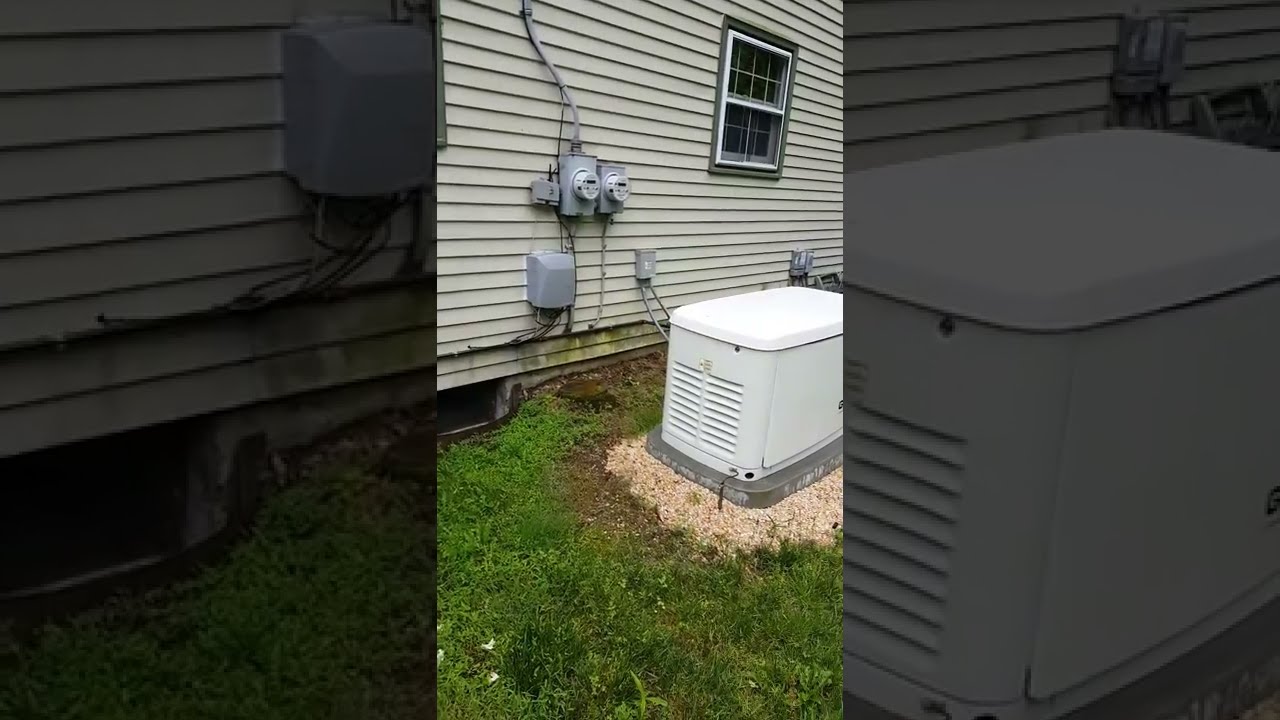
A whole-house backup generator is a powerful machine designed to provide electricity to your entire home during power outages. Unlike portable generators that only power specific appliances, whole-house generators are connected directly to your home's electrical system. This setup ensures seamless operation during outages without manual intervention.
How Does a Whole-House Generator Work?
When there’s an outage, the generator automatically senses the loss of power and starts running within seconds. It draws fuel—usually natural gas or propane—to produce electricity. The system then supplies power to your home, allowing you to continue with your daily activities without interruption.
Why Every Home Needs a Whole-House Backup Generator Installed by Professionals
1. Uninterrupted Power Supply
Loss of power can disrupt your day-to-day activities significantly. Whether it's maintaining climate control during extreme weather or keeping medical equipment operational, a whole-house generator ensures that your home remains powered.
2. Increased Property Value
Having a whole-house backup generator installed by professionals can enhance your property value. Prospective buyers often see this feature as a significant advantage, especially in regions prone to power outages.
3. Safety First: Protecting Your Family
During prolonged outages, especially during winter months, homes can become dangerously cold without heat. A backup generator helps maintain essential systems like heating and cooling, which is crucial for family safety.
4. Peace of Mind During Storm Season
When bad weather looms on the horizon, knowing that you have a reliable source of backup power provides peace of mind. You won’t have to worry about food spoilage or losing access to communication devices.
The Importance of Professional Installation
5. Expertise Matters: Skilled Electricians Make All the Difference
While some might consider DIY installation tempting, hiring professionals ensures that everything is correctly set up according to local codes and regulations. Experienced electricians understand how to integrate the generator with your home’s electrical system safely.
6. Avoiding Costly Mistakes
Improper installation can lead not only to inefficiency but also potential hazards like electrical fires or carbon monoxide poisoning from improperly vented generators. Professionals mitigate these risks effectively through their expertise.
Choosing the Right Electrician for Installation
7. What Qualifications Should You Look For?
When selecting an electrician for your backup generator installation:
- Ensure they are licensed and insured. Check for positive reviews and testimonials. Verify their experience specifically in generator installations.
8. How American Electric Company Stands Out as a Reliable Choice
American Electric Company has built its reputation on providing top-notch electrical services tailored for homeowners’ needs, including professional backup generator installations.
Backup Generator Installation: What You Need to Know Beforehand
9. Assessing Your Power Needs
Before installation begins, it’s essential to assess what appliances you want powered during an outage:
- Heating/Cooling Systems Refrigerators Medical Devices
This assessment will determine the size and capacity of the needed generator.
10. Choosing Between Fuel Types: Natural Gas vs Propane
Most whole-house generators run on either natural gas or propane:
- Natural Gas: More convenient if you already have gas lines. Propane: More portable but requires tank refills.
Understanding these options helps in making an informed choice tailored to your circumstances.
Installation Process: What Can You Expect?
11. Site Evaluation by Professional Electricians
Prior to any work being done, electricians will conduct a thorough site evaluation:
- Assess current electrical systems. Determine optimal placement for the generator.
This step ensures that everything aligns with national safety standards.
12. Permits and Inspections: Navigating Local Regulations
Installing a whole-house generator often requires permits from local authorities:
- Professionals will handle this paperwork efficiently. They’ll also schedule necessary inspections post-installation to ensure compliance with codes.
Maintaining Your Whole-House Backup Generator
13. Importance of Regular Maintenance Checks
Just like any other appliance in your home, regular maintenance checks are crucial for longevity:
- Schedule annual inspections with qualified electricians. Keep track of service records for warranty purposes.
14. Common Maintenance Tasks You Can Perform Yourself
- Inspecting air filters Keeping exhaust vents clear These small tasks contribute significantly towards ensuring efficient operation.
Cost Considerations: Budgeting for Your Generator Installation
15. Understanding Initial Costs vs Long-Term Benefits
Investing in a backup generator involves initial costs such as purchase price and installation fees but leads to long-term savings through increased property value and reduced risks associated with outages.
| Expense Category | Estimated Costs | |---------------------------|-------------------------| | Generator Purchase | $5,000 - $15,000 | | Installation Fees | $500 - $2,500 | | Maintenance (Annual) | $100 - $300 |
FAQs About Whole-House Backup Generators
1. Are whole-house generators noisy? Yes, they do produce noise while operating; however, modern models are designed with sound-proofing technology that minimizes disruption compared to older units.
2. How long does it take for a whole-house generator to kick in after an outage? Typically within 10 seconds after detecting power loss; this rapid response keeps disruptions minimal.
3. Do I need special wiring for my backup generator? Yes! A transfer switch must be installed alongside wiring modifications carried out by licensed electricians for safe integration into your existing electrical system.
4. Can I install my own generator? While it’s technically possible if you're knowledgeable about electrical systems; hiring professionals ensures compliance with regulations while minimizing risks associated with improper setups.
5.Will my insurance cover a backup generator? Many insurance policies offer coverage; check with your provider about specifics regarding installations before proceeding further!
6.What happens if my fuel runs out? If you’re using natural gas lines—there's no concern! However—with propane tanks—you’ll need periodic refills based on usage rates outlined during assessments prior!
Conclusion
In conclusion, investing in a whole-house backup generator is not just about convenience—it's about safety and peace of mind when unpredictable circumstances arise due to power outages or adverse weather conditions! By choosing professional installation from reputable electric companies like American Electric Company alongside understanding essential maintenance practices—you ensure reliable performance while enhancing property value too!
Now that we've explored why every home needs a whole-house backup generator installed by professionals—are you ready to make this crucial investment? Reach out today so our expert electricians can help protect what matters most!
American Electric Co
26378 Ruether Ave, Santa Clarita, CA 91350, USA
(888) 441-9606
American Electric Co provides standby generator installations throughout Los Angeles County. We're licensed electricians specializing in generator installations and maintenance, main panel upgrades, solar installations, & EV charger installs. From flickering lights and panel upgrades in Malibu to whole-home generator systems in Burbank, we bring warmth, expertise, and, yes, occasionally dad-level electrical jokes to every service call. When your circuits throw tantrums or your Los Angeles County home needs power backup solutions that actually work during those California outages, our certified team swoops in with gentle expertise. We understand electrical emergencies aren't just inconvenient—they feel downright scary! We're just a call away.
American Electric Co
26378 Ruether Ave, Santa Clarita, CA 91350, USA
(888) 441-9606
Question: How much does it cost to install a generator?
Answer: During power outages, residential generators offer a dependable backup electricity supply, proving essential for homeowners. On average, installing a whole-house generator costs between $7,000 and $15,000, with the variation stemming from differences in equipment pricing and installation labor requirements.